Naples Day Tours
I’m Serious Day Tour Man AI, your day trip expert. Ask me anything — where to go, how to get there, and what’s actually worth your day.
Naples sits at the center of the richest day-trip radius in Europe: two Roman cities frozen by the same eruption, the volcano that did it, the world’s most famous coastline, an island so celebrated it needs crowd advice, and Greek temples better preserved than Greece’s own.
The sorting matters more here than anywhere, starting with the question almost nobody asks and everybody should: Pompeii or Herculaneum? And one sequencing secret runs through it all: the best of Pompeii isn’t at Pompeii. It’s in a museum in Naples, and the order you visit changes what you see.
Here’s what’s worth a day, with real times and honest trade-offs.

Popular Day Trips
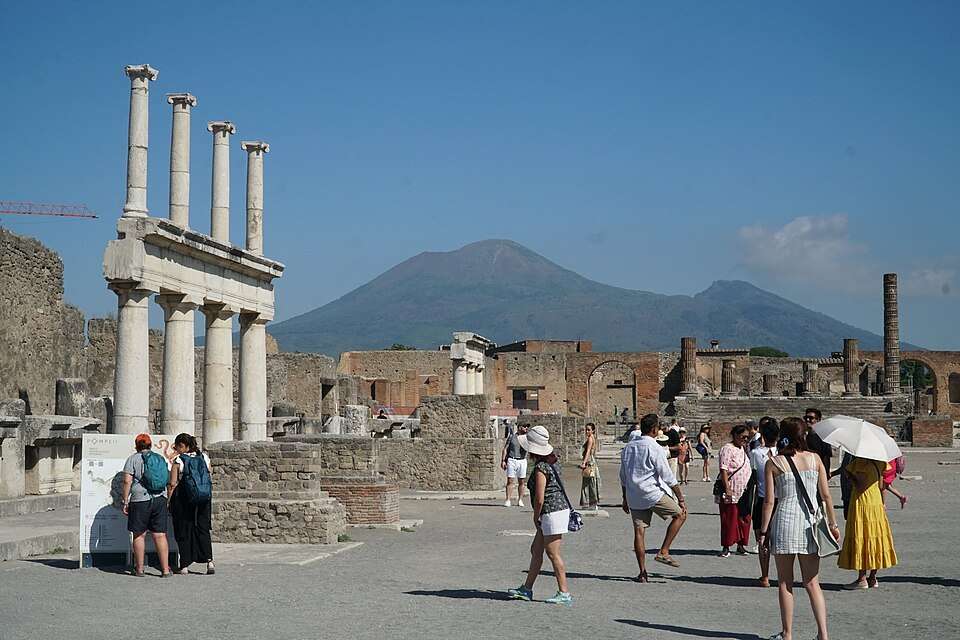
Pompeii
The Named Ticket, a Route You Pick
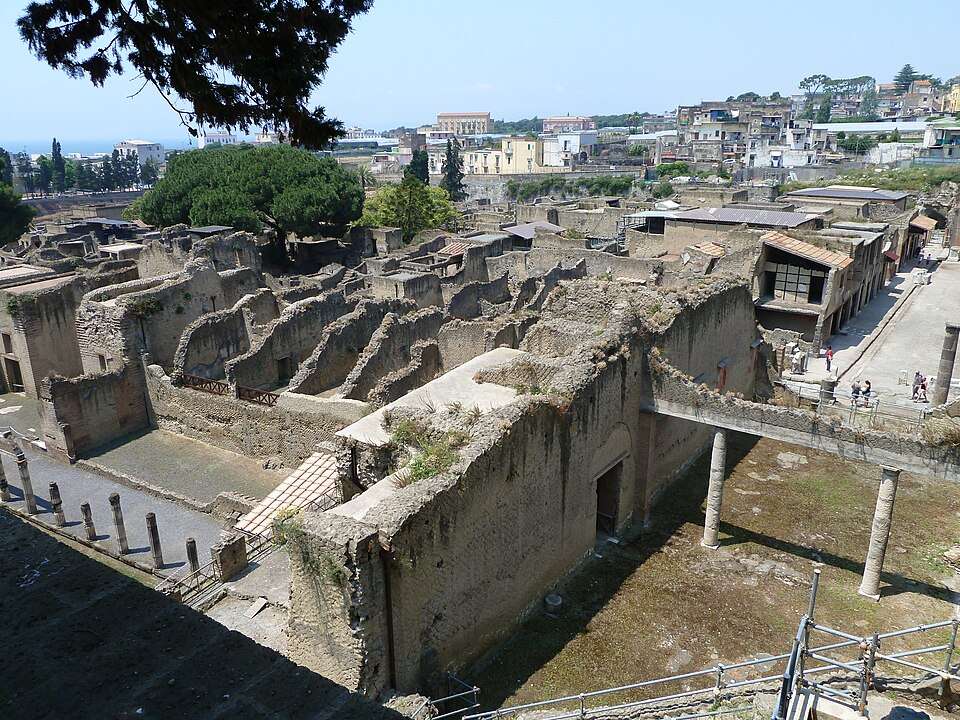
Herculaneum
The Smaller Pompeii Argument, the Walk Downhill
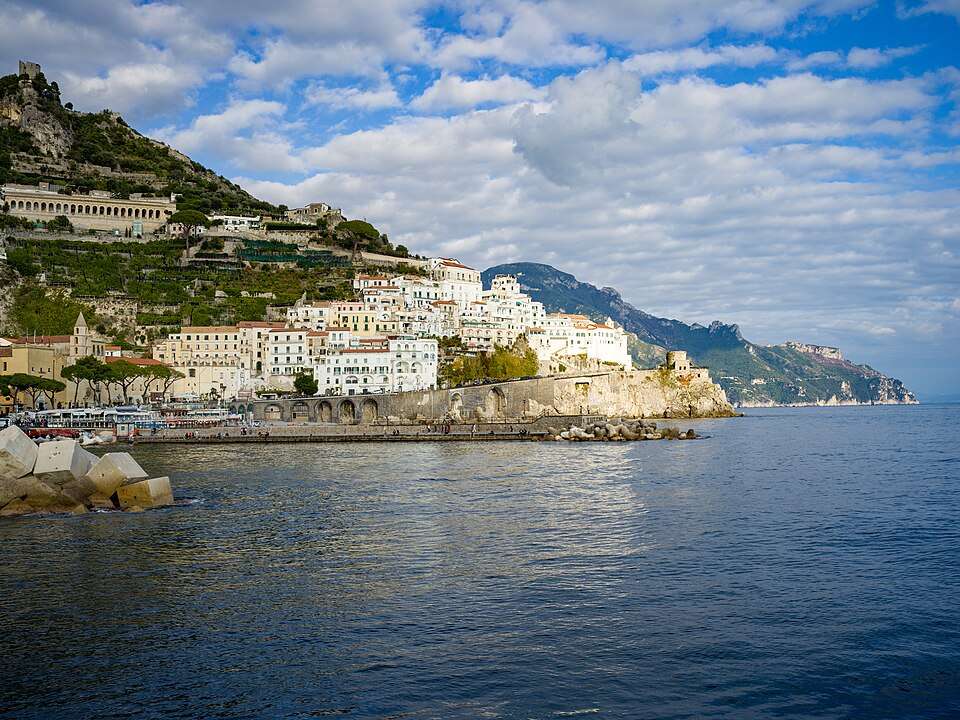
Amalfi Coast
The Ferry Season, the Two-Town Day
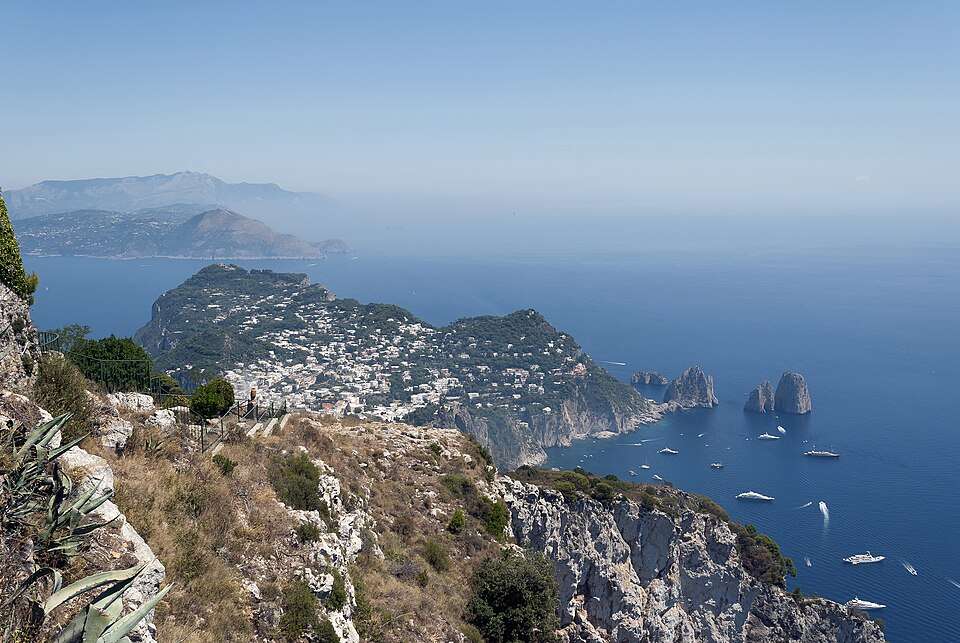
Capri
The Morning Fast Ferry, the Chairlift Above It All
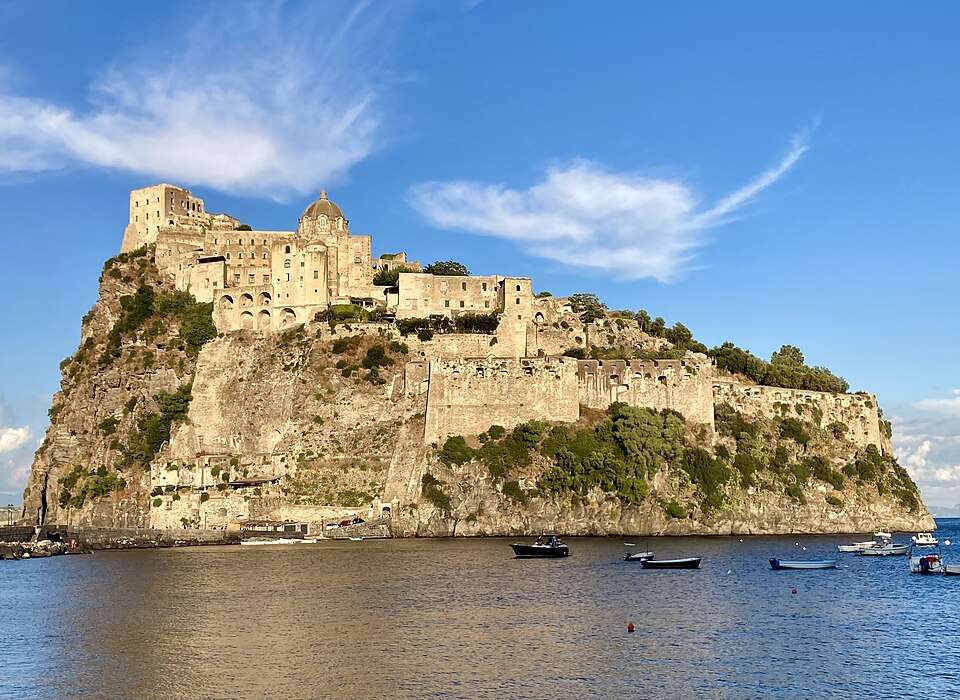
Ischia
Capri Performs, Procida Lives
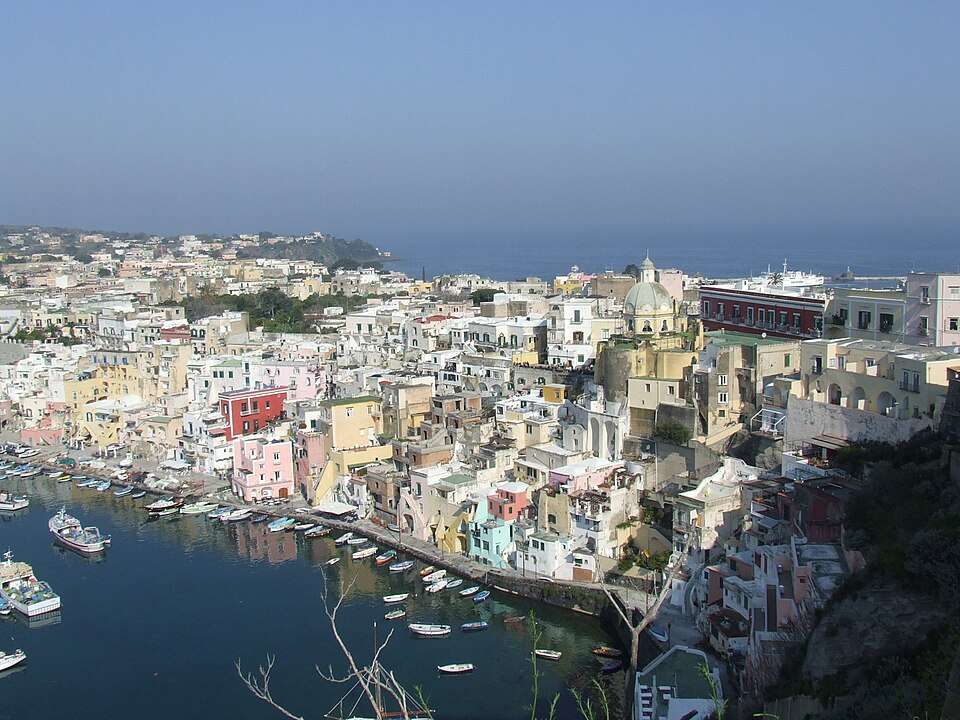
Procida
The Smallest Island, the Corricella Photograph
Pompeii & Herculaneum — The Honest Comparison
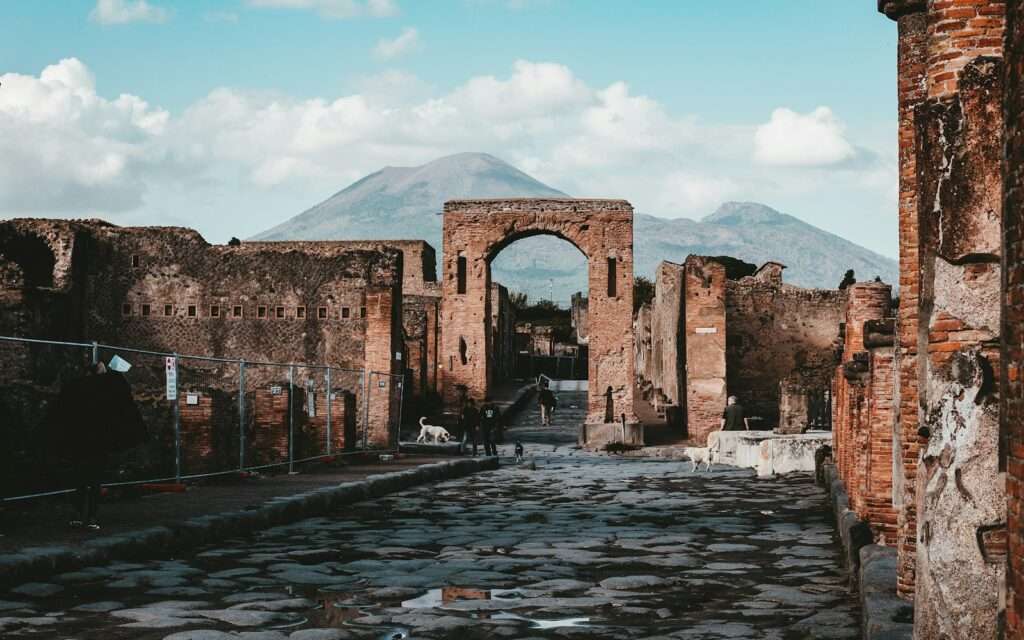
Both cities died in 79 AD, both sit on the same Circumvesuviana line, and they answer different questions.
Pompeii is the scale: a complete Roman city — forum, theaters, brothel, bakeries, the casts in the Garden of the Fugitives — that needs four-plus hours and a guide or a ruthless highlights plan. Know the current system: from April through October, daily entries are capped at 20,000 with timed slots, and tickets are named and checked against ID, so book ahead on the official park site. The streets are shadeless — hat, water, and a morning start in summer.
Herculaneum is the depth: buried in mud rather than ash, it kept its second stories, its carbonized wooden doors and beams, and its mosaics in place. It’s a quarter of Pompeii’s size and crowds, walkable in two hours, and the connoisseur consensus pick for the better single experience.
Sort it this way: first-timers with one day take Pompeii for the name and the scale, and don’t regret it. Anyone with flexibility does Herculaneum plus the Naples Archaeological Museum, where the actual treasures from both cities live — the sites hold the architecture, the museum holds the art. Museum first, sites second is the sequence that makes sense of the ruins.
Read the full Herculaneum day-trip page.
Read the full Pompeii day-trip page.
Vesuvius — The Culprit
The volcano itself usually gets bolted to a Pompeii day, and it’s worth the bolt. Buses climb to the 1,000-meter car park, then a 30-to-40-minute switchback gravel path gains the crater rim: a smoking ochre-and-grey bowl, with the entire Bay of Naples spread below, from Sorrento’s cliffs to the city that carries on calmly inside the blast radius.
The practical notes: entry is by timed ticket — book ahead in season — wear real shoes for the gravel, and bring a layer for the summit wind. And obey the weather rule: the crater in cloud is a grey corridor, so keep the pairing flexible and take the mountain on the clear morning.
Pompeii-plus-crater is the standard tour format and an honest full day. Herculaneum-plus-Vesuvius is the shorter, sharper alternative that operators run less often and should run more.
The Amalfi Coast — Logistics Are Everything
The coast lives up to every superlative, and the day trip lives or dies on transport honesty. The corniche road in summer is a beautiful traffic jam: coaches inch, scooters weave, and the “hour” between towns doubles. The smart versions go by water — ferries from Naples and Sorrento serve Positano and Amalfi from roughly April to October, turning transit into the coastal panorama it should be.
The shape of the day: Positano for the vertical postcard, arriving by sea, because the town was built to be seen from the water. Amalfi for the cathedral and the paper-museum old town. Then Ravello, up the mountain by bus from Amalfi, for Villa Rufolo and Villa Cimbrone’s Terrace of Infinity — the coast’s best views and fewest crowds in the same gardens.
The honest counsel: two towns plus Ravello makes a full day, and the drive-through versions that promise five towns deliver five parking lots. Winter closes the ferries and most of Positano; the coast is seasonal, and the season is April to October.
Read the full The Amalfi Coast day-trip page.
Capri & Procida — The Famous and the Secret
Capri, fifty minutes by fast ferry, survives its own myth with a little management. Go early — the boats before nine beat the day-trip surge. Sort the Blue Grotto honestly: the rowboat entry is a genuine wonder with a genuine queue that can eat two hours, and any swell closes it. Take it first thing or let it go without grief. Then spend the actual day in Anacapri, the higher, quieter town: the Monte Solaro chairlift for the bay panorama, Villa San Michele’s gardens, and lanes the crush doesn’t reach. The Gardens of Augustus supply the Faraglioni photo, and the marina supplies the most expensive coffee of your trip — order it knowingly or not at all.
Then the alternative worth serious consideration: Procida, the small painted fishing island the Capri ferries pass first. It was Italy’s Capital of Culture in 2022, Corricella’s stacked pastel harbor is the Mediterranean’s best unedited view, and the day-trip crowd runs a tenth of Capri’s.
Capri for the legend, Procida for the discovery — and Ischia, the big thermal island, works better as a spa overnight than a day trip.
Read the full Capri day-trip page.
Read the full Procida day-trip page.
Caserta & Paestum — The Two Reaches
Opposite directions, both underbooked.
Caserta is forty minutes north by train. The Reggia is the palace the Bourbons built explicitly to out-Versailles Versailles, and by raw numbers — 1,200 rooms, five floors, a three-kilometer garden axis climbing through a staircase of fountains — they arguably did. Manage the scale: the state apartments plus a garden shuttle or rental bike make the sane visit. Yes, it played Queen Amidala’s palace in Star Wars, and yes, the guides mention it.
Paestum is ninety minutes south: three Greek temples from the 6th and 5th centuries BC standing nearly complete in a meadow, better preserved than almost anything in Greece, plus the museum’s Tomb of the Diver — the only surviving Greek painted tomb of its kind. Pair it with a buffalo-mozzarella farm visit; this is the DOP heartland, and the tasting is the region’s second religion. Together they make the most underrated full day in Campania.
The Museum, the Pizza & Naples Itself
Restate the sequencing secret: the National Archaeological Museum holds what Vesuvius’s cities actually contained — the Alexander mosaic’s two million tiles, the Villa of the Papyri bronzes, the Farnese Hercules, and the Gabinetto Segreto’s frankly educational Roman erotica. See it before the sites and the rubble becomes rooms. Two planning notes: the museum closes Tuesdays, and the ticket runs two consecutive days. Book the Sansevero Chapel alongside — the Veiled Christ, marble draped in marble, is the single most astonishing carved object in Italy, and its timed tickets sell out days ahead.
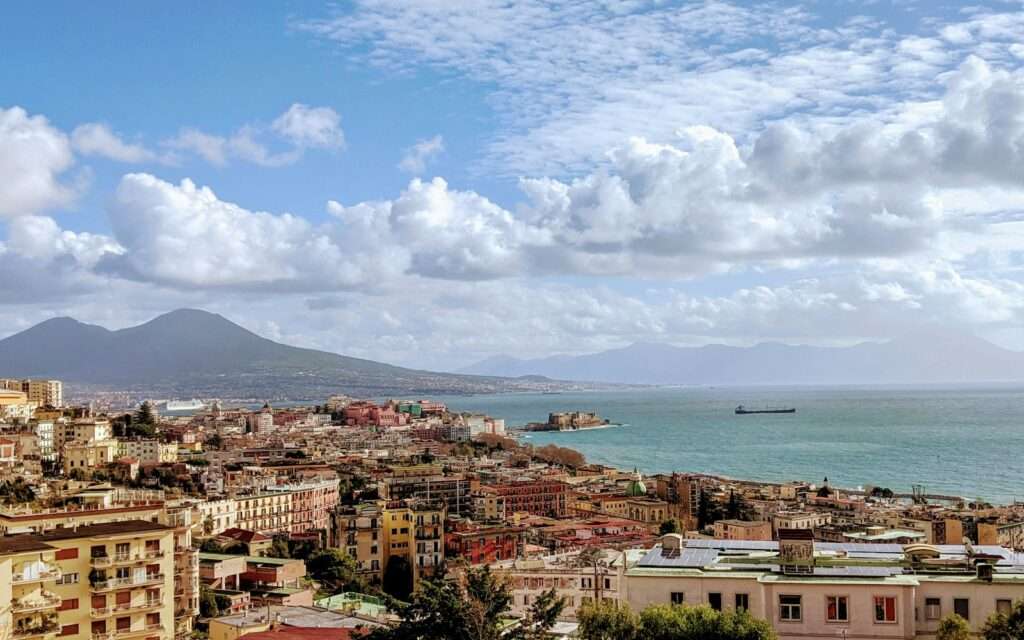
Now the city visitors are warned about and shouldn’t be. Naples’ reputation runs worse than its streets; normal city awareness — bags zipped, phone gripped near the station — covers it, and the reward is Italy’s most alive street theater. Walk Spaccanapoli’s straight-line chaos, the presepe workshops of Via San Gregorio Armeno carving footballers next to shepherds, and the Toledo metro station’s mosaic light-well, which fully justifies art-station tourism. Take the funicular up to Vomero for the Certosa view.
The pizza has rules, because this is the birthplace. The margherita is the benchmark: thin, blistered, eaten fast, folded if standing. Da Michele carries the fame and the queue, Sorbillo and Di Matteo split the partisans, and the neighborhood joint with a wood oven and a €5 price also operates at a level most cities never reach. Finish with a warm sfogliatella riccia and an espresso taken standing — and note the coffee system: pay the cashier first, then present the receipt at the bar. It confuses everyone exactly once.
Full day-trip pages: Ischia.
Frequently Asked Questions
Should you visit Pompeii or Herculaneum?
Pompeii for scale and the name — four-plus hours, guide recommended, capped and timed entries in season, brutal summer sun. Herculaneum for preservation and sanity — two hours, second stories intact, a fraction of the crowds. The connoisseur’s day pairs Herculaneum with the Naples Archaeological Museum, where both cities’ treasures actually live.
Is the Blue Grotto worth the queue?
It’s genuinely magical and genuinely queued — up to two hours in season, and closed in any swell. Go on the first boats of the morning or skip it without grief; Monte Solaro and Anacapri are Capri’s reliable half.
How should you get around the Amalfi Coast?
By ferry, April to October — the road is a slow-motion traffic jam in summer. Positano and Amalfi by sea plus Ravello by bus makes the honest full day; five-town itineraries deliver parking lots.
Is Naples safe for tourists?
Its reputation is worse than its streets — standard city awareness suffices, with extra attention only around the station. The street life is the attraction, not the threat.
What is Procida?
The small painted island the Capri ferries pass — Corricella’s pastel harbor, minimal crowds, and Italy’s 2022 Capital of Culture. It’s the discovery pick for travelers who’ve already met Capri’s legend.